Most of the focus for the Office of Career and Residency Advising (OCRA) comes during Match Week, when fourth-year students find out the location of their residency programs. Yet the job is a year-round commitment to helping students work toward the next stage of their careers.
With the results being so essential for students, OCRA begins focusing on applications at the beginning of their third year of medical school. “OCRA has been really helpful in terms of going over my CV and my resume,” said Mariamu Osumah, a fourth-year medical student pursuing a research fellowship. “Specifically for residency, and then with this addition of research fellowships, they’ve helped with catering my CV to highlight certain research projects that I'm pursuing and with reviewing my personal statement for both residency and research.”
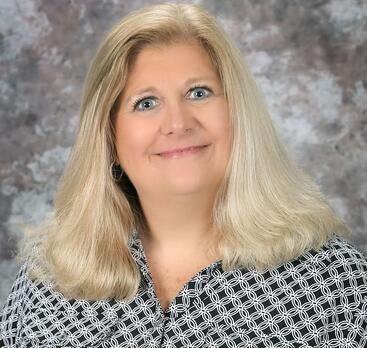
“We support them from beginning to end,” said residency and career advisor Jennifer Wilson. “You're putting together essentially a packet of your medical school life, and then this packet is going to be emailed off to these programs that they've applied to, and they are going to hope with all their might that that program director sends them an invite to interview. So a lot rides on it.”
OCRA also provides emotional support throughout the process that will likely decide where and how students will spend the next few years of their lives while shaping their careers. “The uncertainty is unnerving for them,” Wilson said. “I try to let them know it's going to be okay… and I would hope that with our guidance through OCRA that they feel a little more comfortable.”
Helping students work toward their careers
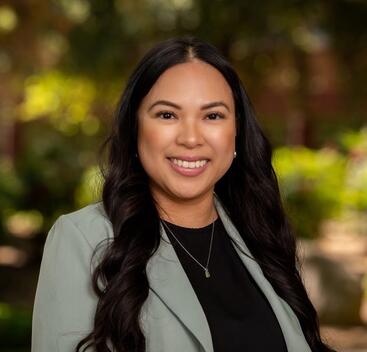
Both Wilson and career and residency advising coordinator Darnell Sy joined UCR after serving as residency program coordinators, bringing a deep understanding of residency life and the traits the programs seek. As a former residency coordinator at Loma Linda, “I’m thrilled to work with medical students because I understand the process from the other side and I can pass along the knowledge and connections that I found most valuable,” Sy said.
“My experience on the residency side shines some light on a lot of questions that they have about residency, like what are the things that should be important to them when interviewing,” added Wilson, who spent 15 years at Riverside Community Hospital in positions including family medicine residency coordinator before she joined UCR. “You have to live it before you can really talk about it.”
The OCRA website lists the resources the office offers organized by year in medical school, from a CV template to competitiveness workshops. Besides assistance with writing and reviewing CV’s, the office offers one-on-one mock interview workshops, personal statement editing, individual meetings with students about their applications or requirements, presentations to help students understand the residency application process, and more. Sy added that they also help keep track of different application periods and deadlines.
The competitiveness workshops in particular help answer a question Sy frequently hears from students: What does it take to be competitive for residency applications? “We walk students through all parts of the application so they can see their strengths and identify areas to develop,” Sy explained. “It’s all about finding the right balance to present a strong, competitive application.”
Sy also introduces students to resources such as the AAMC website, which provides information about match statistics and insights into factors that may be weighted differently across fields. “Different specialties prioritize different strengths; family medicine, for example, tends to value strong clinical experience, community involvement, and interpersonal skills rather than extensive research,” Sy explained. “There isn’t a single formula for success, which is why we guide students in exploring their options.”
The OCRA staff ensures that all students can find time to work with them. “Some students can only meet with us during the evening because they're in clinical rotations during the day, so we make the accommodation for them so they have somebody they can talk to,” Sy said. Wilson’s schedule includes Saturday mornings for the same reason. “There is always availability with one of us, with whatever it is that they might need,” Wilson said.
Reaching out early and often
While the application process officially starts after third year, both advisors recommend that students begin working toward it much earlier. “I would like to have them reach out as early as possible…so that they feel a bit more organized, and that things aren't rushed,” said Wilson, adding that the office offers resources for students as early as their first year.
One first-year student, Maryam Azizadah, has already worked extensively with OCRA. “The OCRA office was the first to say, ‘Do you have a CV?’ And I didn’t,” she recalled. “That is a really big thing, because it's a portfolio of your entire academic career, and if you don't start it now and continue to update it as you're going, it becomes really difficult to go back in time,” she continued. In addition to developing her CV, Azizadah has met regularly with Sy to look for mentors, gaining connections to various programs that may help influence her career.
Azizadah knows her work with OCRA is only beginning. “Professional development starts now, and so I feel like it's been really helpful and I would encourage other MS1’s to also make an appointment,” she said. “I feel like as med school goes on, there'll be new and unique challenges that I find with career development and residency applications, so I only see myself utilizing them more from this moment on.”
Both Sy and Wilson advise students not to wait to contact the office. “Students are always welcome to reach out when they’re facing difficulties, and we also encourage them to be intentional about what they hope to gain from their time with our office,” Sy said. “Even though we may not know directly the answers to their question, our office is always happy to find out the answers for them,” Sy continued. Students can reach out via email or schedule appointments on the OCRA website.
“The main thing is their willingness to help, and if they don’t know the information at that time, their willingness to be resourceful and outsource getting information,” said Osumah. “They truly are advocates for medical students, and they have a lot of knowledge in terms of how medical school works and how to present yourself with the best foot forward.”
Celebrating students’ wins
From smaller achievements to the excitement of Match Day, the OCRA office is there to support and celebrate SOM students. In fact, Match Week is Wilson’s favorite time of the year. “It's just so exciting because they send you the email, ‘I'm going to be a doctor, I've done it,’ and it's just amazing,” Wilson said.
“OCRA is here to support students from A to Z and everywhere in the middle,” Wilson continued. “Whether that's weekly calls with them, meetings with them, just going over anything and everything, I feel like when they walk across that stage as a future doctor, I had a little bit of a part in their journey.”